Warning Signs Your Suspension System Needs Attention
Most drivers only think about their suspension system when something feels off. It might start as a slight vibration, a subtle pull to one side or a noise that wasn’t there before. Over time, these small changes can affect how your car handles on the road and how comfortable it feels behind the wheel.
Your suspension plays a central role in keeping your tyres connected to the road, absorbing bumps and supporting safe steering and braking. It works continuously in the background, responding to changes in road surfaces, vehicle load and driving conditions. When components begin to wear, the signs are often easy to overlook at first. Recognising them early can help you decide when to have your vehicle checked by a mechanic Maitland drivers rely on for routine inspections and repairs.
Below are some of the most common warning signs that your suspension system may need attention.
Uneven Tyre Wear
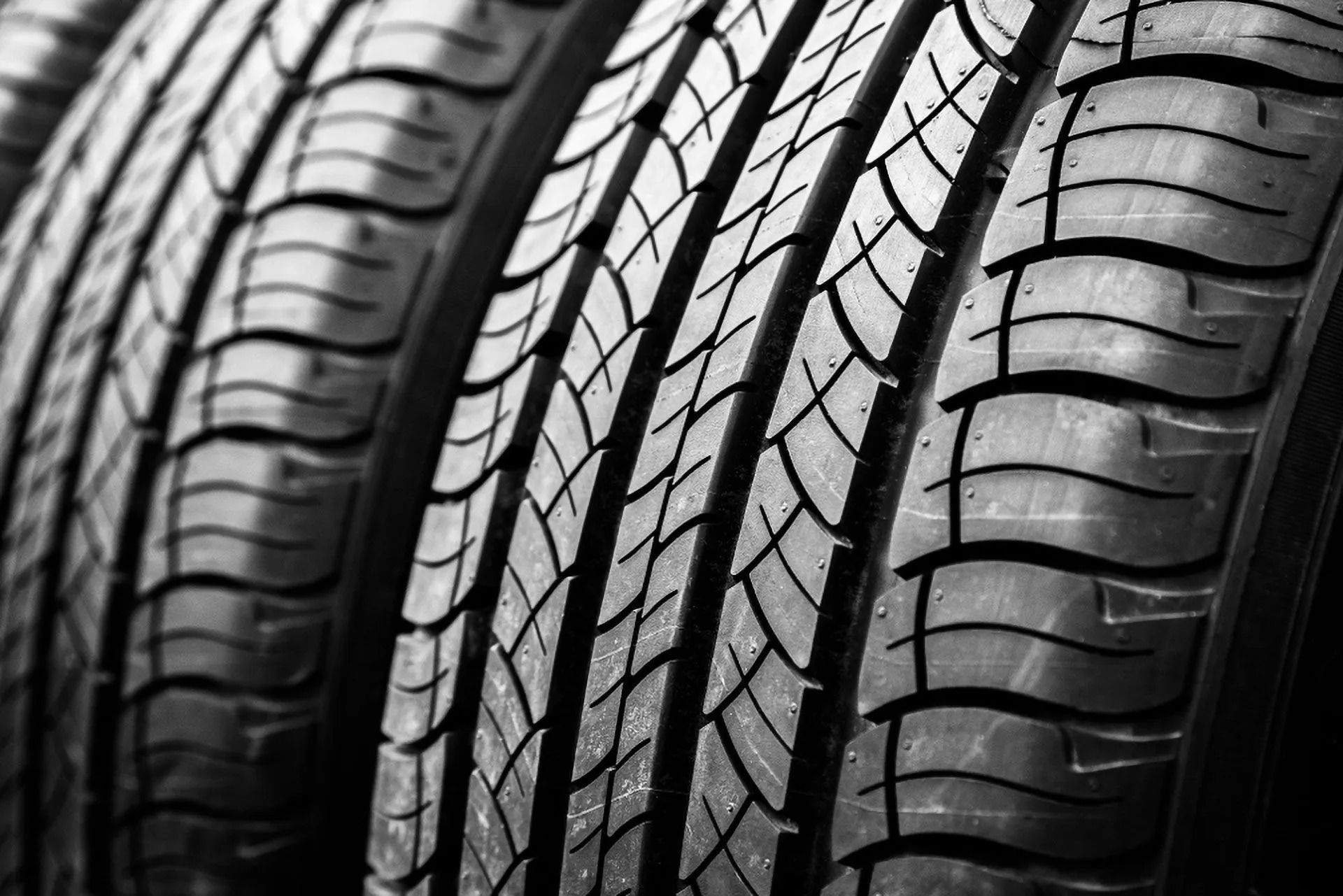
Tyres can reveal a lot about the condition of your suspension. When components such as shocks, struts or alignment settings are not functioning as intended, tyre wear may become irregular.
This can appear in different ways:
- Bald patches forming on certain sections of the tyre
- Excessive wear on the inner or outer edges
- A scalloped or ‘cupped’ pattern across the tread
Uneven wear can reduce traction and may affect braking performance. While tyre rotation and balancing are part of routine maintenance, ongoing irregular wear can point to underlying suspension issues that require further inspection by a mechanic.
Knocking or Clunking Sounds Over Bumps
Unusual noises when driving over speed bumps, potholes or uneven surfaces are often linked to worn suspension components. These sounds may come from loose or deteriorating parts within the system.
Common sources include:
- Worn bushings that no longer cushion movement
- Loose or damaged control arms
- Faulty ball joints or sway bar links
These noises may start intermittently and become more noticeable over time. They can also become more pronounced when driving on rougher roads or when carrying additional weight in the vehicle. Addressing them early can help prevent additional strain on other components.
Excessive Bouncing After Hitting a Bump
Your suspension is designed to absorb impact and stabilise the vehicle quickly after encountering bumps. If your car continues to bounce more than expected, it may indicate that the shock absorbers or struts are no longer performing as intended.
You might notice:
- The vehicle continues to bounce after driving over a bump
- A ‘floating’ sensation on uneven roads
- Reduced stability when driving at higher speeds
A simple visual test, such as pressing down on the bonnet and observing how the car settles, can sometimes reveal excessive movement. However, a more thorough assessment is typically needed to confirm the cause.
Vehicle Pulling to One Side
A car that drifts or pulls to one side while driving can be linked to several factors, including tyre pressure or wheel alignment. However, suspension issues may also contribute to this behaviour.
Potential causes include:
- Uneven load distribution due to worn components
- Misalignment related to suspension wear
- Damage to springs or struts affecting balance
If pulling persists after checking tyre pressure, it may be worth having the suspension and alignment reviewed by a mechanic Maitland motorists consult for steering and handling concerns.
Nose Diving When Braking
When braking, your vehicle’s weight shifts forward slightly. The suspension system helps manage this movement. If the front of the car dips more than usual, it may suggest that the front shocks or struts are worn.
Signs of nose diving include:
- A noticeable forward lurch when braking
- Reduced control during sudden stops
- Longer stopping distances in some situations
This behaviour can place additional strain on braking components and affect overall vehicle balance, particularly in situations where quick reactions are required.
Rear Squatting During Acceleration
Just as the front of the car can dip during braking, the rear can squat during acceleration if the suspension is not providing adequate support.
This may present as:
- The rear of the vehicle lowering when accelerating
- A feeling of reduced control when merging or overtaking
- Uneven weight distribution affecting handling
Rear suspension components such as springs and shocks play a role in maintaining stability. Changes in how the vehicle responds during acceleration can indicate wear or fatigue in these parts.
Steering Feels Loose or Unstable
A stable steering response is closely tied to the condition of your suspension system. If the steering feels less precise or requires more correction than usual, it may be linked to worn components.
Drivers may notice:
- Increased play in the steering wheel
- Difficulty maintaining a straight line
- A delayed response when turning
This can affect driver confidence, particularly on longer trips or at higher speeds. Suspension inspections often go hand-in-hand with steering system checks to identify contributing factors.
Visible Damage or Leaks
In some cases, suspension issues can be identified through a visual inspection. Components such as shocks and struts may show signs of wear that are visible without specialised tools.
Things to look for include:
- Oil leaks around shock absorbers
- Rust or corrosion on springs
- Cracked or worn rubber bushings
While not all damage is visible from the outside, these signs can indicate that further assessment is needed. Regular checks, even during routine servicing, can help spot these issues before they progress further.
Why Suspension Health Matters
Your suspension system contributes to more than just ride comfort. It influences how your tyres maintain contact with the road, how your vehicle responds to steering input and how weight is distributed during braking and acceleration.
When components begin to wear, the effects can extend beyond the suspension itself, potentially impacting tyres, steering and braking systems. Even minor changes in suspension performance can alter how your vehicle behaves in everyday driving conditions. Regular checks and timely attention to warning signs can help maintain consistent vehicle performance over time.
Get in Touch
If you’ve noticed changes in how your vehicle handles, rides or sounds, it may be time to have it looked at. At O’Neills Tyres, we understand the road conditions drivers face daily, from uneven surfaces to stop-start traffic, and how these factors can affect suspension components. If you’re searching for a mechanic Maitland drivers turn to for inspections and repairs, get in touch with our team to arrange a booking or discuss your concerns.