The Benefits Of Routine Mechanical Inspections
Picture this: you've noticed a faint warning light flickering on your dashboard for the past few weeks. It disappears after a couple of starts, so you push it to the back of your mind and carry on. Then, without warning, you're on the side of the road waiting for a tow truck — all because a small issue that could have been caught early was left to quietly escalate. It's a scenario that plays out more often than most drivers would like to admit.
Routine mechanical inspections are one of the most practical ways to protect your car, your safety, and your wallet. From brake system integrity to fluid levels and tyre condition, a thorough inspection covers the kind of detail that's easy to overlook during day-to-day driving. This article walks through why staying on top of your vehicle's health makes sense at every stage, and how working with a reliable mechanic in Maitland can save you far more than it costs.
Small Problems Have a Habit of Getting Expensive Fast
A minor oil leak, a worn belt, or a slightly low coolant level might seem like minor inconveniences — and in isolation, they are. The trouble is that vehicles are interconnected systems, and when one component starts to fail, it places added stress on everything around it. An engine running low on oil doesn't just run poorly; it accelerates wear on bearings, cylinders, and seals that were previously in good condition. What started as a $40 top-up job can quietly become a $3,000 engine repair.
Routine mechanical inspections catch these early warning signs before they compound. A mechanic looking over your vehicle with fresh eyes can spot a seeping gasket, an ageing hose, or a component working harder than it should, and address it at a fraction of the eventual cost. The inspection itself is an investment in avoiding much larger bills down the track.
What Does a Routine Inspection Actually Cover?
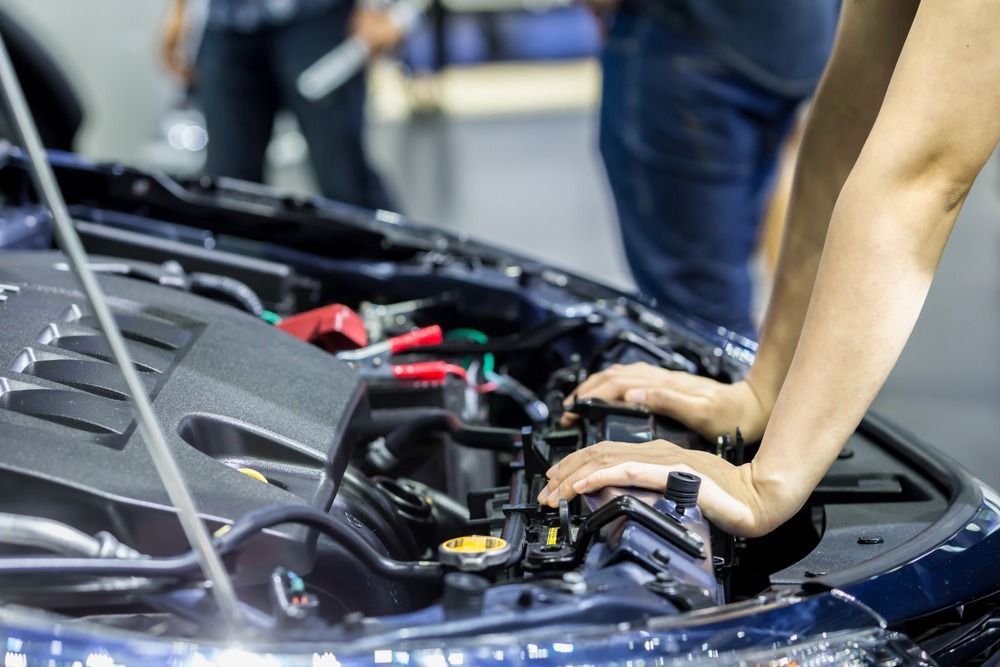
A comprehensive mechanical inspection is far more than a quick look under the bonnet. A qualified mechanic works through a structured checklist that covers the major systems of your vehicle, ensuring nothing is missed. Depending on the workshop, a typical inspection will include:
- Brake system — pad thickness, rotor condition, fluid levels and brake line integrity
- Engine and fluid checks — oil, coolant, transmission fluid, power steering fluid, and brake fluid
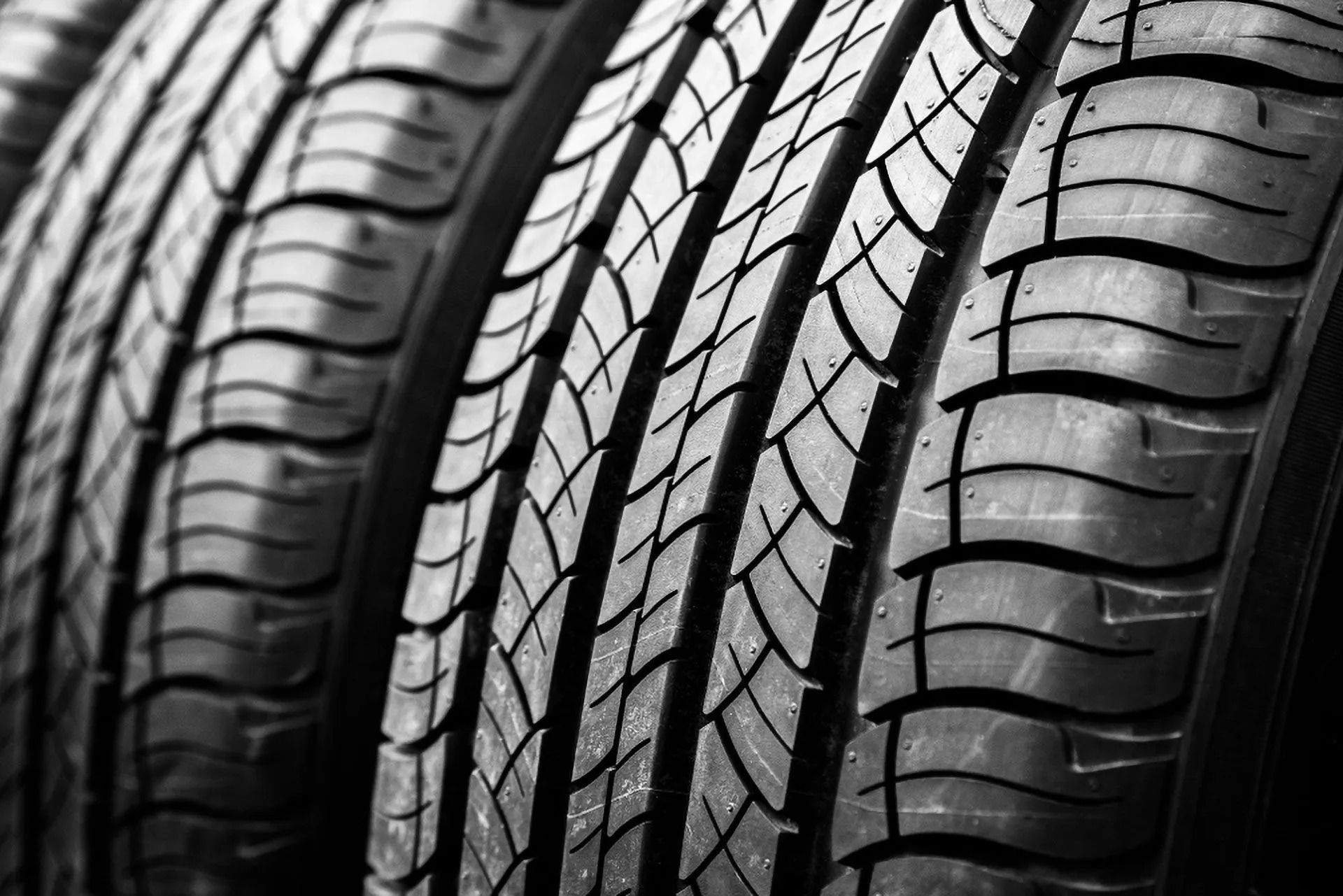
- Tyres — tread depth, tyre pressure, sidewall condition, and uneven wear patterns that might indicate alignment issues
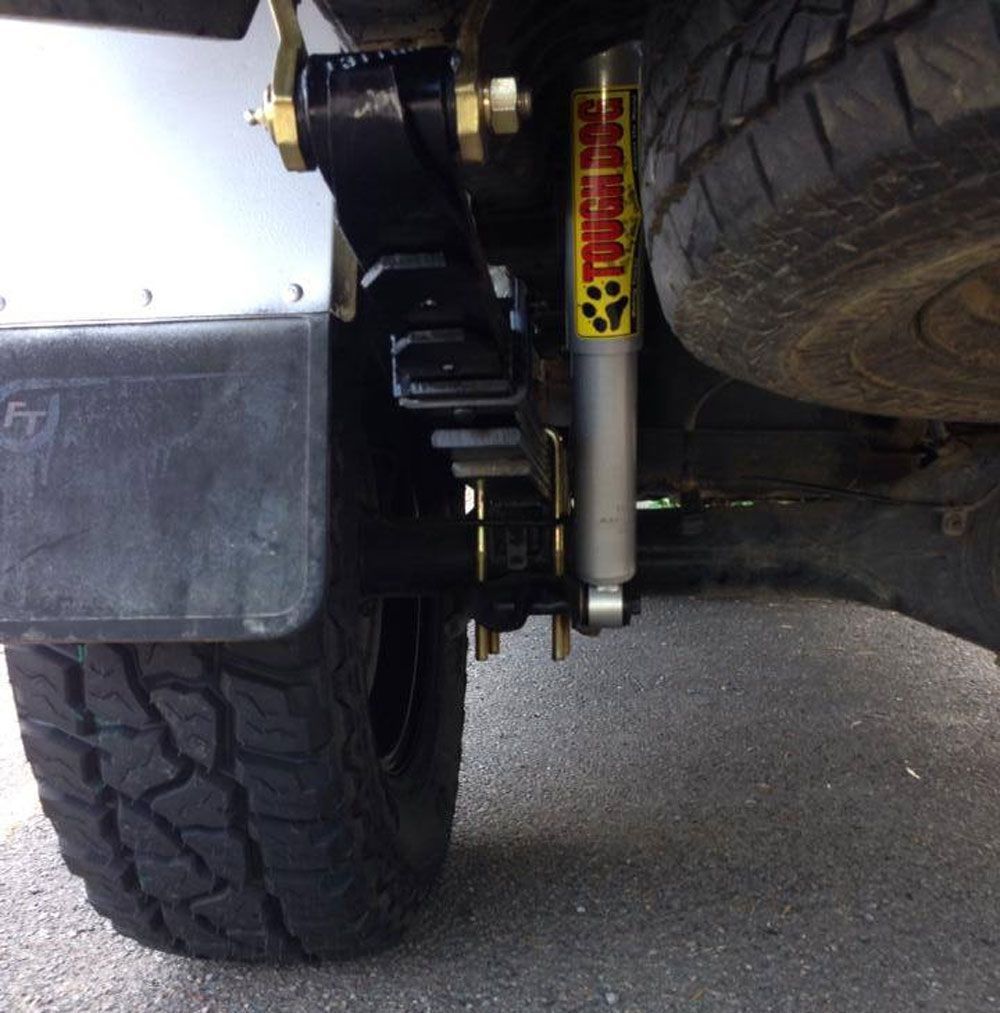
- Suspension and steering — bushings, ball joints, shock absorbers, and steering responsiveness
- Electrical system — battery health, alternator output, lighting, and dashboard warning indicators
- Belts and hoses — signs of cracking, fraying, or deterioration that could lead to a roadside failure
The breadth of this process is what makes routine inspections so valuable. It's not about finding one problem, it's about building a full picture of your vehicle's condition at a single point in time.
Your Brakes Deserve More Attention Than They Usually Get
Of all the systems on a vehicle, the braking system is the one most directly tied to driver safety — and one of the most commonly neglected until something goes wrong. Brake pads wear gradually, meaning drivers often don't notice the decline in performance until stopping distances increase noticeably or that familiar grinding noise starts. By that point, the pads are usually beyond their safe limit, and in many cases, the rotors have been damaged too.
Routine brake inspections measure pad thickness and assess rotor wear before either reaches a critical point. A mechanic will also check brake fluid, which absorbs moisture over time and can reduce braking effectiveness — something that isn't obvious from inside the cabin. Addressing brake servicing on a scheduled basis means you're never driving on a system that's quietly compromised, and you avoid the added expense of rotor replacement that comes with delayed pad changes.
If Your Tyres Could Talk, They'd Have a Lot to Say
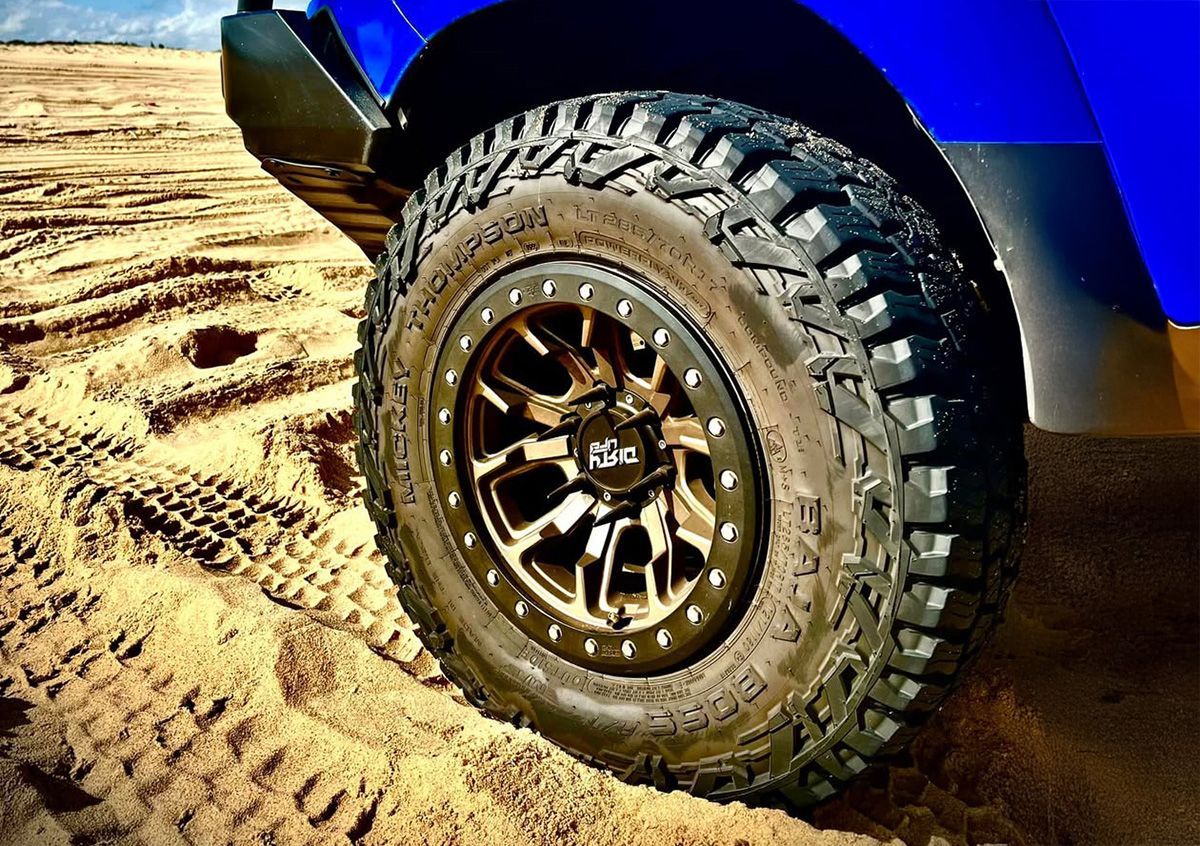
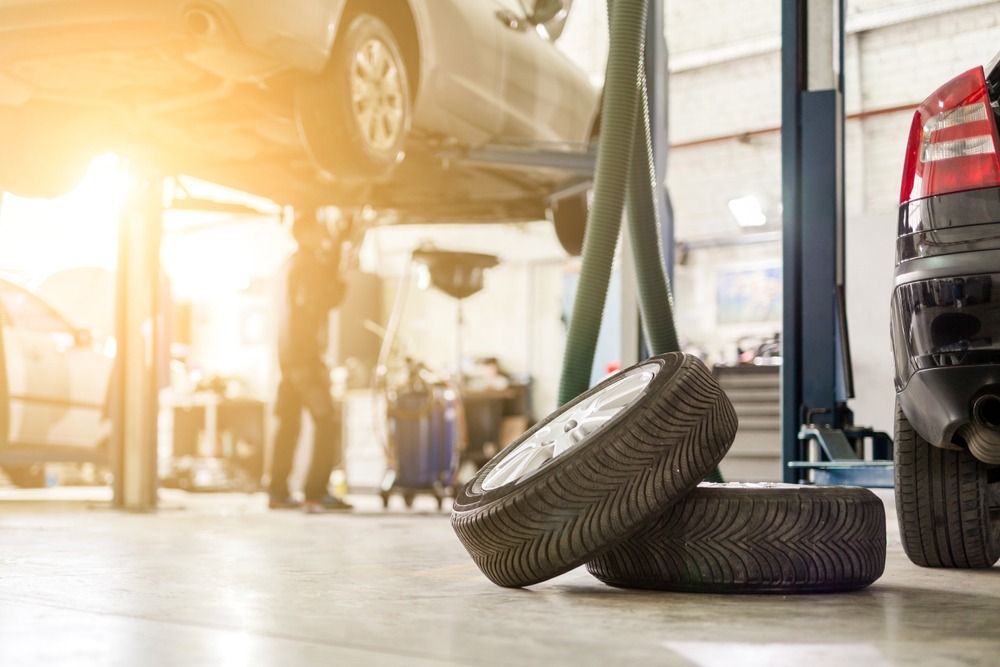
Tyres are the only part of your vehicle in constant contact with the road, yet they're often only looked at when there's an obvious problem like a flat, a blowout, or a visible bulge. The reality is that worn or improperly inflated tyres affect far more than puncture risk. They impact fuel economy, handling, braking distances, and overall road safety in ways that aren't always immediately apparent.
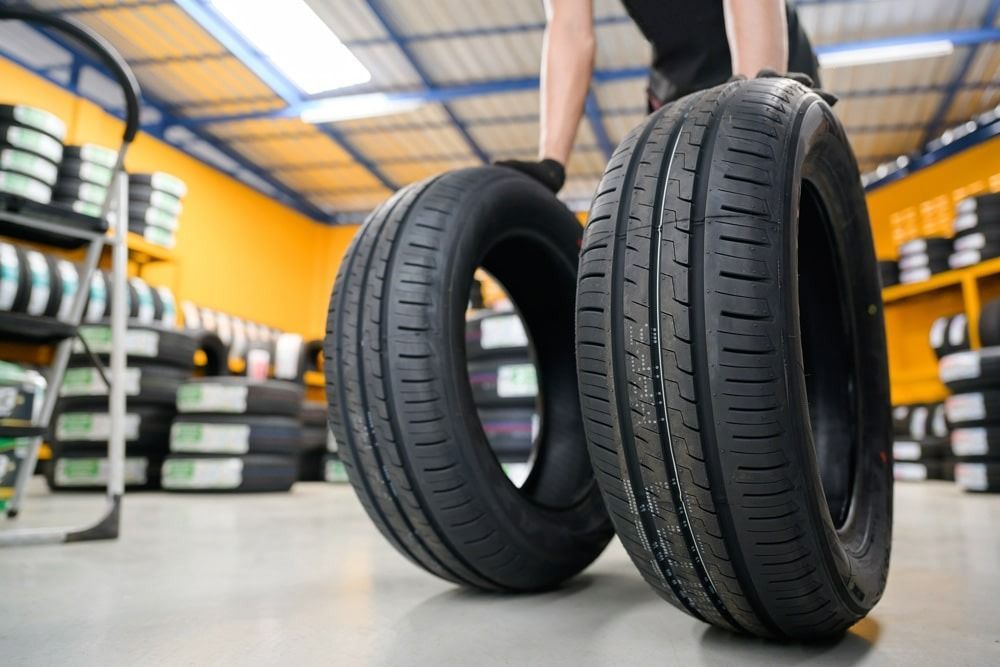
During a routine inspection, a mechanic will check tread depth across all four tyres, measure pressures, and look for uneven wear patterns that can indicate misalignment or suspension issues. A tyre that's worn more on one edge than the other is telling a story about something else in the vehicle that needs attention. Catching that early allows the underlying cause to be addressed before it ruins a new set of tyres prematurely. Regular tyre rotation and balancing, carried out as part of scheduled servicing, also extend tyre life significantly. It's a straightforward saving that most vehicle owners don't take full advantage of.
When Was the Last Time You Thought About Your Suspension?
Suspension wear tends to happen so gradually that drivers often adapt to it without realising. A vehicle that pulls slightly to one side, drifts through corners, or feels a little vague in the steering starts to feel normal... right up until the point it becomes a handling problem or a safety concern. Worn shock absorbers, deteriorating ball joints, and tired control arm bushings all affect how a vehicle responds, particularly in emergency braking or evasive manoeuvres.
Routine inspections give a mechanic the opportunity to assess suspension components before they fail entirely. Key things that get checked include:
- Shock absorber and strut condition — checking for leaking seals and reduced damping performance
- Ball joints and tie rod ends — excessive play here directly affects steering precision
- Rubber bushings — these harden and crack over time, contributing to noise, vibration, and poor handling
- Wheel alignment — correcting alignment extends tyre life and reduces unnecessary strain on the entire steering system
Routine Servicing Keeps Your Engine Running the Way It Should
Engine oil degrades over time, losing its viscosity and ability to lubricate effectively. Coolant becomes acidic and less efficient at managing temperature. Filters become clogged with debris and restrict airflow or fuel flow. These changes happen incrementally, reducing performance and increasing wear until the effects become serious. A routine service that includes an oil and filter change, coolant flush, and air filter replacement doesn't just maintain engine function, it actively extends engine life.
Beyond the fluids, a mechanic will also check timing belts and drive belts during a scheduled service. These components have a finite lifespan, and a timing belt failure in particular can cause catastrophic engine damage within seconds of snapping. Replacing a timing belt at the manufacturer's recommended interval is one of the clearest examples of a small investment preventing a very large repair or, in some cases, a complete engine write-off.
A Well-Maintained Vehicle Is Worth More When It Counts
Resale value is something most vehicle owners think about eventually, and the condition of a car at the point of sale reflects everything that has or hasn't been done to it over the years. A full service history — documented evidence that routine inspections and maintenance have been carried out on schedule — is one of the most compelling factors for private buyers and dealerships alike. It signals that the vehicle has been properly looked after, and it shifts the buyer's risk profile significantly.
Beyond the paperwork, a vehicle that has received regular mechanical attention is typically in better mechanical condition. Tyres with even wear, brakes with healthy pads, an engine running on fresh oil, and a suspension system in good order all translate to a vehicle that drives better, attracts more interest, and commands a stronger price. The cumulative benefit of consistent servicing shows up clearly when it's time to sell.
Routine Inspections and the Peace of Mind That Comes With Them
There's a particular kind of confidence that comes from knowing your vehicle has been thoroughly checked over. Whether you're doing school runs, commuting daily, or planning a longer trip, driving a car you know has been properly seen to removes a layer of background anxiety that most people don't fully notice until it's gone. For anyone who hasn't yet found a trusted mechanic in Maitland, that search is worth prioritising. A workshop that knows your vehicle's history can track wear patterns over time and flag developing issues before they become urgent.
A routine inspection doesn't just address what's already happening, but also gives you time to plan and budget rather than react. That continuity of care makes each visit more informative and more useful than a one-off check at an unfamiliar workshop.
Book Your Next Inspection With O'Neill's Tyres
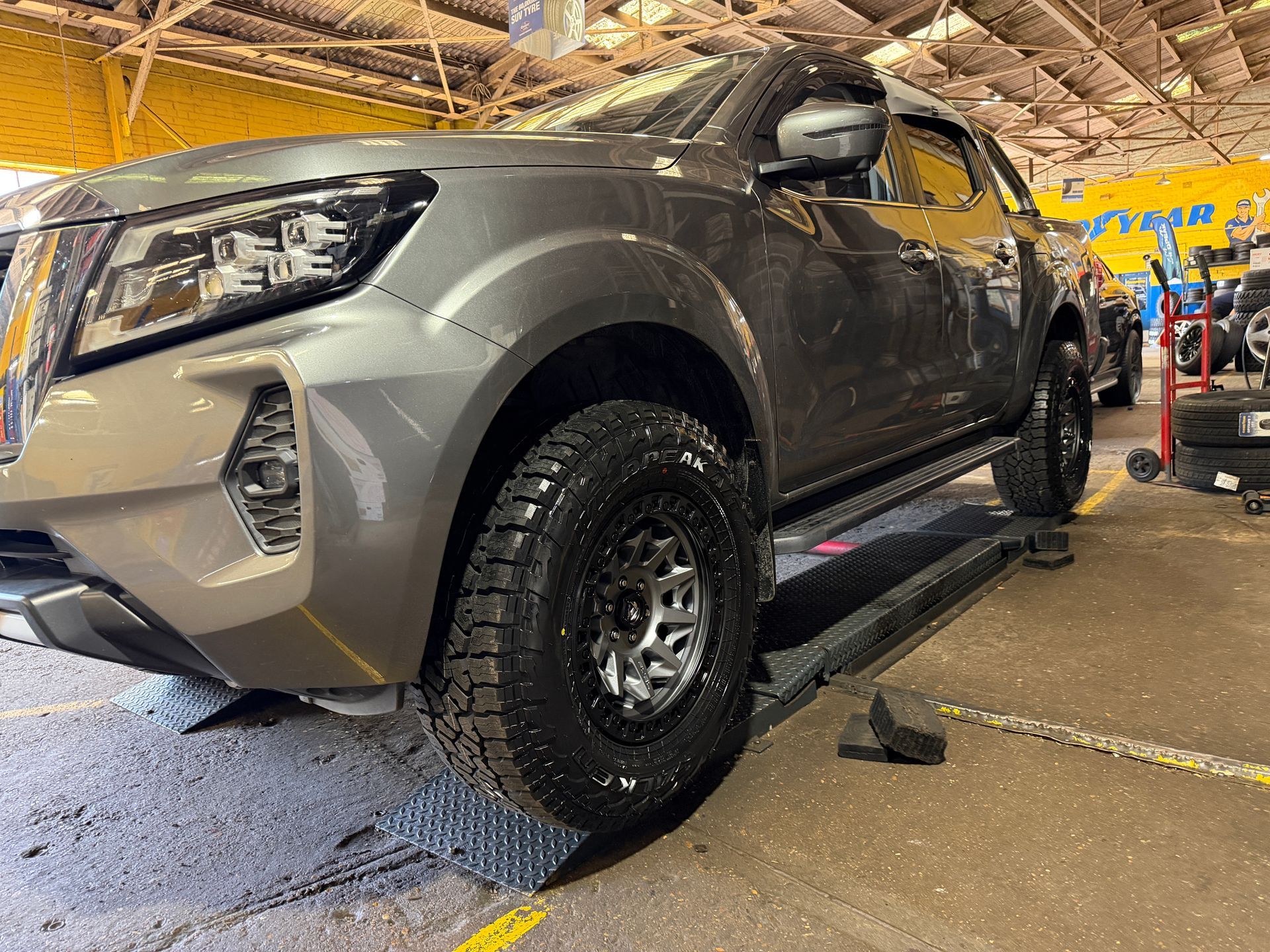
Here at O'Neill's Tyres, we understand that life in the Hunter region means putting real kilometres on your vehicle, whether that's navigating Maitland's busy arterials, heading out on regional roads, or making regular trips to Newcastle. Our climate and road conditions add their own demands on tyres, brakes, and suspension, which is exactly why we take routine inspections seriously rather than treating them as a formality.
We work with vehicle owners across Maitland and the surrounding area to keep their cars in reliable, roadworthy condition, not by waiting for problems to appear, but by getting ahead of them. If you haven't had your vehicle looked over recently, or if something has been nagging at the back of your mind, give us a call today or get in touch through our website. We'll take a proper look and give you a straight answer on where things stand.