What Happens If You Drive Too Long On Worn Tyres?

O'Neills Tyres • July 1, 2026

Most drivers know their tyres will eventually need replacing, but it is easy to put it off when the car seems to be driving fine. The truth is that tyre wear is gradual, and by the time problems become obvious — reduced grip, longer stopping distances or a blowout — the risk has already been building for some time. For anyone searching for tyres Maitland wide, the question is rarely whether to replace worn out tyres, but how long they have been putting it off. Driving on worn tyres is not just a maintenance issue. It has real consequences for your safety, your wallet and your legal standing on the road.

Your Stopping Distances Increase Significantly

One of the most immediate and dangerous effects of worn tyres is the impact on braking. Tread depth is what allows a tyre to channel water away from the contact patch between the rubber and the road. When that depth is reduced, the tyre loses its ability to maintain grip — particularly in wet conditions. Research consistently shows that the difference in stopping distance between a tyre with adequate tread and one worn to the legal minimum is significant. At highway speeds, that difference can be several car lengths. In an emergency braking situation, those extra metres can be the difference between stopping safely and a collision.


Factors that compound the braking risk include:


  • Wet or greasy road surfaces where worn tread provides almost no water dispersal
  • Higher speeds where the demands on tyre grip are already greater
  • Older vehicles without advanced braking assist systems that rely more heavily on tyre condition
  • Heavily loaded vehicles where additional weight increases stopping distance further

Aquaplaning Becomes a Much Greater Risk

Aquaplaning happens when a film of water builds up between the tyre and the road surface faster than the tread can disperse it, causing the tyre to lose contact with the road entirely. When this occurs, steering and braking become ineffective until the tyre reconnects with the surface. New tyres with deep, well-designed tread patterns are engineered to push water away efficiently. As tread wears down, that capacity diminishes. By the time a tyre approaches the legal minimum tread depth of 1.5mm, its ability to handle standing water is a fraction of what it was when new.


Conditions that increase aquaplaning risk on worn tyres include:


  • Heavy rainfall or roads with poor drainage
  • Highway speeds where water has less time to be dispersed
  • Wide tyres with less tread per unit of contact area
  • Roads with wheel ruts that concentrate water in the tyre's path

Blowouts Are More Likely — and More Dangerous at Speed

A tyre blowout at highway speed is one of the more serious mechanical events a driver can experience. The sudden loss of pressure causes an immediate change in vehicle handling, and maintaining control requires a calm, deliberate response. For many drivers, the instinct to brake hard or steer sharply makes the situation worse. Worn tyres are significantly more vulnerable to blowouts for several reasons. Thinner rubber provides less protection against sharp objects on the road. The structural integrity of the tyre diminishes as the rubber wears, making it more susceptible to failure under heat and pressure. Sidewall damage that might be absorbed by a tyre with adequate tread can cause a catastrophic failure in one that is already worn down.


Situations that increase blowout risk in worn tyres include:


  • Driving over potholes, road debris or sharp objects
  • Extended highway driving where heat builds up in the tyre
  • Under-inflated tyres that are already worn, compounding the structural weakness
  • Summer conditions where high road temperatures add additional stress to the rubber

The Legal Consequences of Worn Tyres

Beyond the safety risks, driving on worn out tyres is an offence in New South Wales. The legal minimum tread depth is 1.5mm across the central three-quarters of the tyre's width and around the full circumference. Tyres that do not meet this standard are considered unroadworthy.


The practical implications for drivers include:


  • Fines and demerit points if pulled over with tyres below the legal minimum
  • A vehicle that may fail a registration inspection, requiring the tyres to be replaced before it can be re-registered
  • Potential issues with insurance claims if an accident occurs and worn tyres are found to have been a contributing factor
  • Liability considerations for employers or fleet operators who allow vehicles with deficient tyres to be driven


For business owners with vehicles used for work purposes, the obligation to keep those vehicles roadworthy extends beyond personal responsibility and into workplace health and safety requirements.

Worn Tyres Affect Fuel Efficiency and Vehicle Handling

The effects of worn out tyres are not limited to safety. As tyres degrade, they also affect the day-to-day performance of the vehicle in ways that many drivers attribute to other causes. A tyre that has worn unevenly — which can result from misalignment, incorrect inflation or suspension issues — places unequal stress on the vehicle's steering and suspension components. Over time, this uneven loading can accelerate wear on wheel bearings, shock absorbers and other parts that are more costly to replace than a set of tyres.


Performance changes associated with worn tyres include:


  • Increased rolling resistance on some worn tyre profiles, which can raise fuel consumption
  • Reduced responsiveness in steering, particularly on worn tyres that have developed flat spots
  • Increased road noise and vibration transmitted through the cabin
  • Uneven wear patterns that indicate underlying issues needing attention

How to Tell If Your Tyres Are Worn

Identifying worn tyres does not require specialised equipment. There are several straightforward checks any driver can perform between professional inspections.

Most modern tyres have built-in tread wear indicators — small raised sections sitting in the tyre's grooves. When the tread surface wears level with these indicators, the tyre has reached the legal minimum and needs replacing. A tread depth gauge, available cheaply from any automotive store, provides a more precise reading.


Warning signs that warrant an inspection include:


  • Tread that appears flat or smooth rather than distinctly grooved
  • Wear that is noticeably heavier on one edge of the tyre than the other
  • Visible cracking or crazing on the sidewall
  • Bulges or deformations anywhere on the tyre surface
  • A persistent slow leak or frequent need to top up tyre pressure

The Relationship Between Tyre Condition and Vehicle Inspection

A tyre check is a standard part of any vehicle registration inspection in New South Wales. Worn out tyres below the legal tread depth, with visible structural damage or showing signs of unsafe wear will result in a failed inspection. For drivers who rely on their vehicle for work or family commitments, a failed rego check is more than an inconvenience. It means the vehicle cannot be legally driven until the issue is rectified. Addressing tyre condition before the inspection avoids this disruption entirely and reduces the cost and stress of a failed check. Getting a tyre assessment ahead of a scheduled rego inspection is particularly worthwhile if the vehicle has covered significant kilometres since the last set was fitted, or if it has not had a wheel alignment in some time.

Why Regular Tyre Inspections Are Worth It

The cost of replacing worn tyres is straightforward and predictable. The cost of a blowout, an accident, a failed inspection or damage to other vehicle components caused by neglected tyres is far less so. Regular inspections catch wear before it becomes a safety issue and allow replacements to be planned rather than forced. At O'Neills Tyres, we have been helping drivers across the Hunter keep their vehicles road-ready since 1972. Whether you are due for a routine check or have noticed a change in how your vehicle handles, our team at both locations can assess your tyre condition, recommend the right replacement when needed and get you back on the road with confidence. For tyres in Maitland or at our Rutherford location, visit our website or call us to book your tyre inspection today.

Mechanic Inspecting Raised Pickup Truck In Workshop Garage
By O'Neills Tyres Maitland June 1, 2026
Discover how routine servicing from a mechanic in Maitland helps identify issues early improve safety and reduce unexpected repair costs.
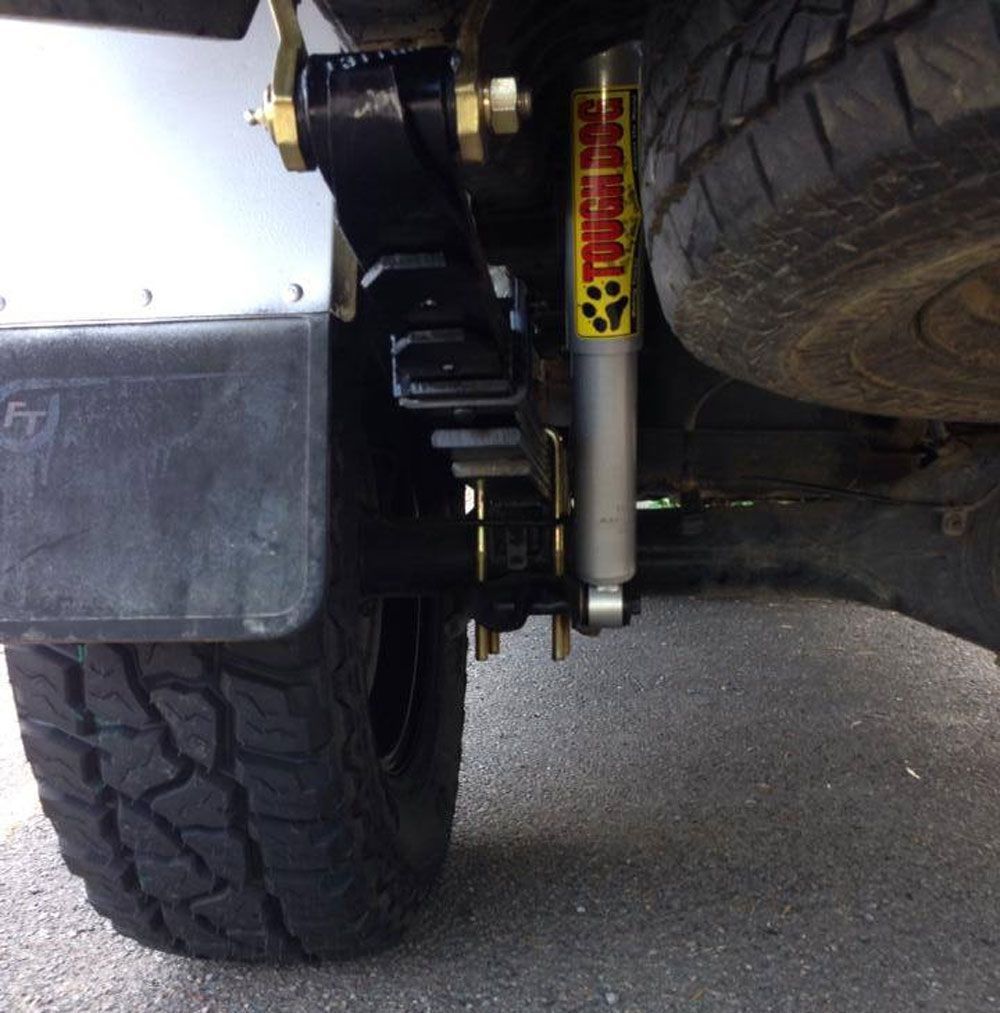
Tough Dog 4WD Suspension System
By O'Neills Tyres April 20, 2026
Spot warning signs your suspension needs attention, from uneven wear to poor handling. Visit a trusted mechanic in Maitland and book a service today.
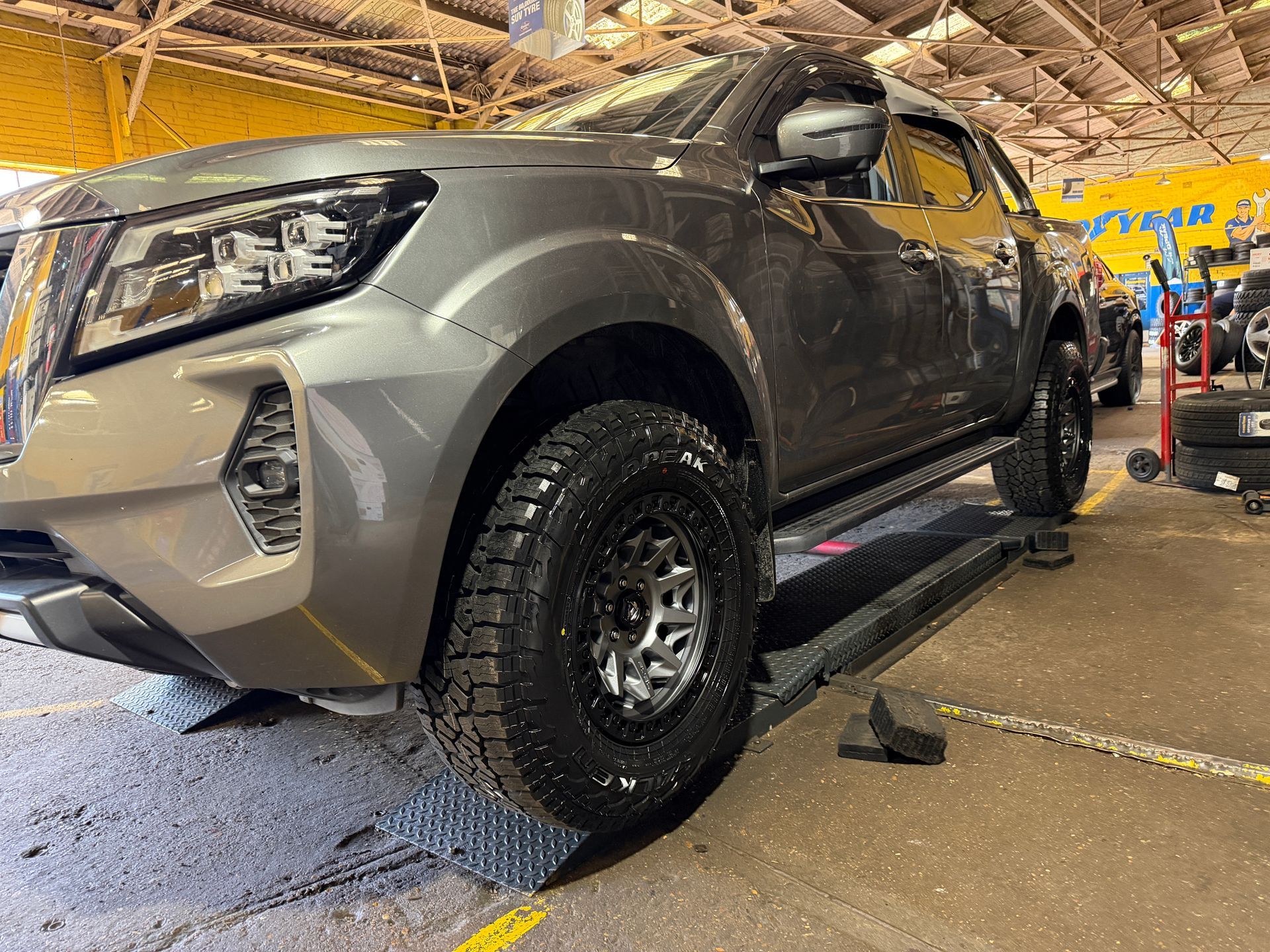
Low angle of car in workshop
March 23, 2026
Learn how wheel size affects comfort, handling and fuel efficiency. Discover what to consider when choosing wheels in Maitland for daily driving.

Hands rest on the open hood of a dark car engine during maintenance.
By O’Neills Tyres August 11, 2025
Spot issues early with help from a skilled car mechanic. Learn the key signs your vehicle needs expert attention and act now.
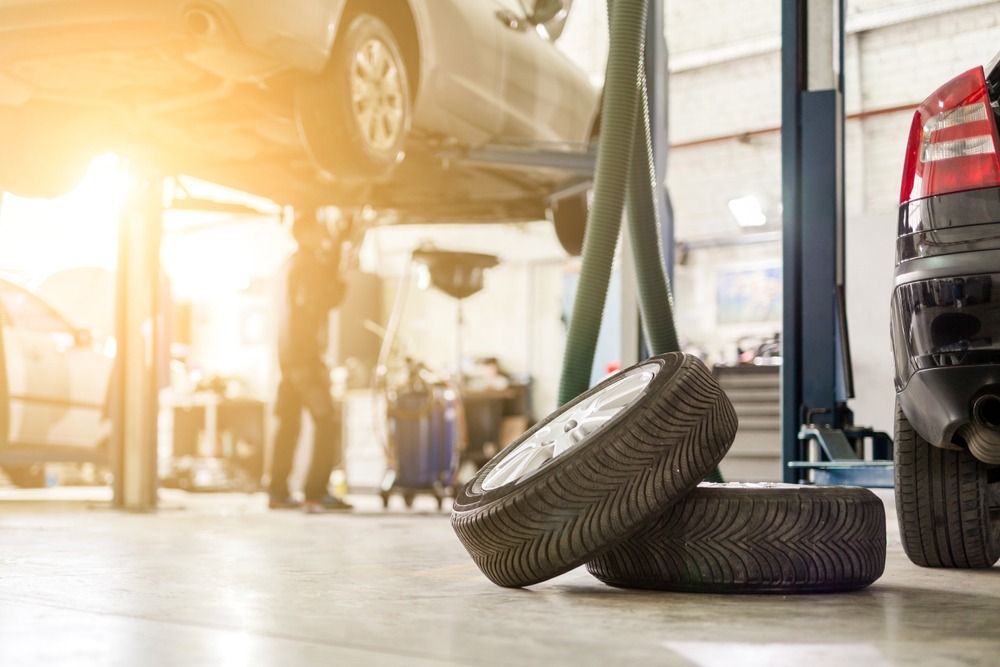
A mechanic works under a car lifted on a hoist in a garage, with spare tires resting on the floor in the foreground.
By O’Neills Tyres August 11, 2025
Trust, quality and full-service care—see why locals choose the same Mechanic Maitland for tyres and repairs. Book your service today.
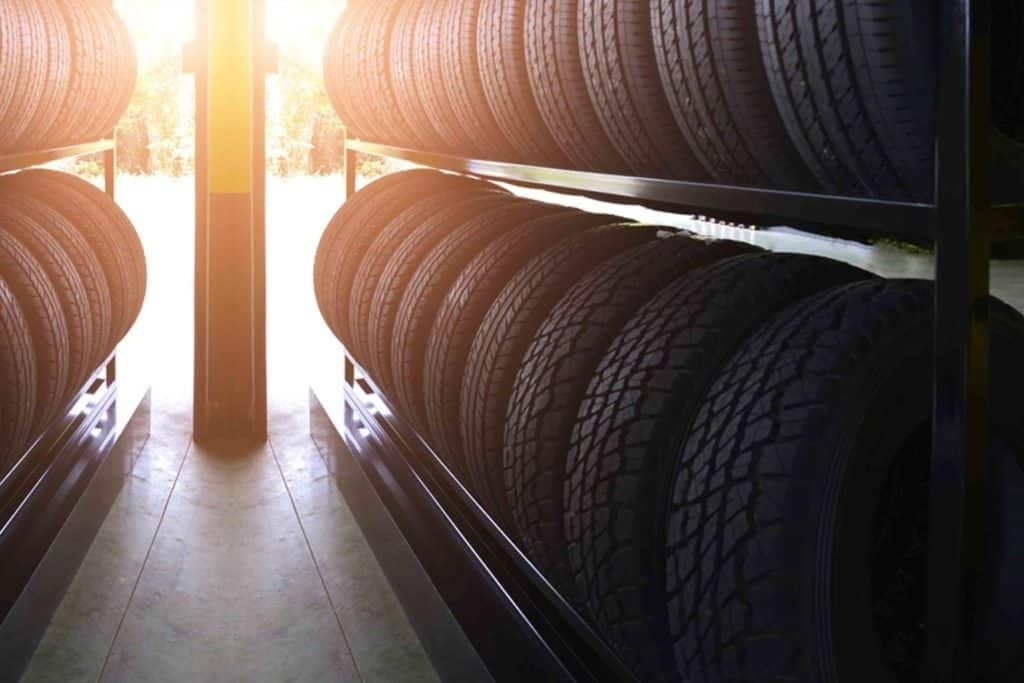
Tires stacked neatly on metal shelving in a garage with bright sunlight visible in the background.
By O’Neills Tyres August 11, 2025
Explore the best tyre brands in Maitland with our local comparison guide. Choose the right fit for your car—read more to make the smart choice today!
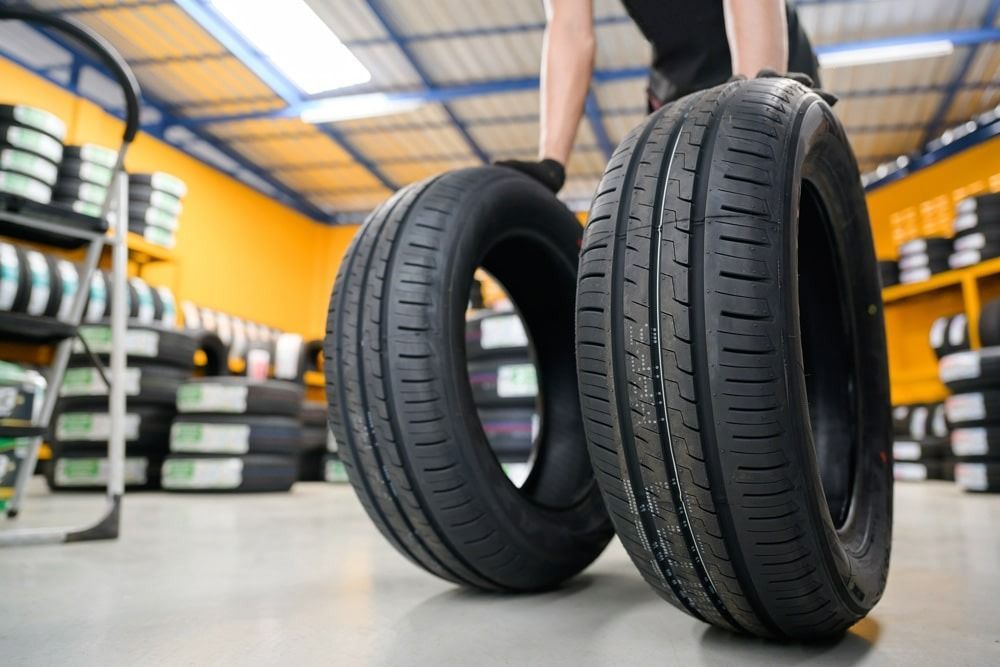
A person in black clothing holds two tires in an industrial warehouse setting with stacks of tires in the background.
By O’Neills Tyres August 1, 2025
Choosing new tyres? Learn the key differences between all-terrain and highway tyres to find the best fit for your driving needs. Read our tyre guide now!

A close-up view of a car battery installed inside a vehicle's open engine bay.
By O’Neills Tyres July 7, 2025
Avoid unexpected breakdowns by learning the signs your car battery needs replacing. Stay safe on the road with our expert tips. Read the guide today.
A person in black clothing holds two tires in an industrial warehouse setting with stacks of tires in the background.
By O’Neills Tyres April 25, 2025
Ask the right questions before your next tyre purchase. Discover what to ask your tyre shop in Maitland. Read now for expert tips.
Show More