How To Read Your Tyre Sidewall: Size, Load And Speed Ratings Explained

O'Neills Tyres Maitland • August 11, 2026

Every tyre carries its full specification on the sidewall, and drivers buying tyres in Maitland can read that code in about thirty seconds once they know the order it runs in. The string of numbers and letters covers width, sidewall height, construction, rim size, carrying capacity and maximum speed. A separate code tells you how old the tyre is. Learning to decode both takes a few minutes and puts you in a much stronger position at the counter.

What Do the Numbers on Your Tyre Sidewall Mean?

The largest character string on the sidewall is the size and rating code, and it always follows the same sequence. Take 225/65R17 102H as a working example. Each element describes a different physical or performance characteristic:


  • 225: the section width in millimetres, measured from sidewall to sidewall
  • 65: the aspect ratio, meaning the sidewall height as a percentage of the width
  • R: the construction type, in this case radial
  • 17: the rim diameter in inches
  • 102: the load index, a coded value for how much weight the tyre can carry
  • H: the speed rating, a coded letter for the maximum speed the tyre is built to sustain


To find the size your vehicle actually requires, check the tyre placard rather than the tyres currently fitted. Anyone shopping for tyres in Maitland should start there, because Australian vehicles carry a placard on the driver's door jamb, inside the glovebox or on the fuel filler flap, and it lists the manufacturer's specified size along with the minimum load and speed ratings. The owner's manual repeats the same information. Reading the size off your existing tyres works only if a previous owner fitted the correct ones.

Tyre Size Explained: Width, Aspect Ratio and Construction

Section width measures the widest point of the tyre when it sits on its specified rim at correct pressure. That figure is not the same as tread width, which is usually narrower. A 225 tyre measures roughly 225 millimetres across the bulge of the sidewalls.


Aspect ratio catches most people out because it works as a percentage rather than a fixed measurement. A 65 aspect ratio on a 225 width tyre gives a sidewall height of about 146 millimetres. Drop the aspect ratio to 45 and the sidewall shrinks to roughly 101 millimetres, even though the width and rim size have not changed. That is why two tyres sharing the same first and last numbers can produce very different overall diameters.


The letter that follows tells you how the tyre is built internally. Common markings include:


  • R: radial construction, which the overwhelming majority of modern passenger and 4WD tyres use
  • D or a hyphen: diagonal or bias-ply construction, still found on some trailer and agricultural tyres
  • B: bias belted, an older design now uncommon on passenger vehicles
  • ZR: a radial tyre in a high-speed category, usually paired with a W or Y rating

What Is a Tyre Load Rating and Why Does It Matter?

The two or three digits before the speed letter form the load index. It is a coded number rather than a direct weight, so 102 does not mean 102 kilograms. It corresponds to 850 kilograms per tyre, giving a set of four a combined capacity of 3,400 kilograms.


A few common values give you a sense of the scale:


  • 91: 615 kilograms per tyre
  • 95: 690 kilograms per tyre
  • 100: 800 kilograms per tyre
  • 102: 850 kilograms per tyre
  • 105: 925 kilograms per tyre
  • 110: 1,060 kilograms per tyre


Fitting a tyre with a tyre load rating below the placard figure creates real problems. An underrated tyre flexes more than it should under weight, and that flexing generates heat in the sidewall. Heat is what destroys tyre structure over time, which is why the risk climbs sharply for utes carrying tools, vehicles towing trailers or family cars loaded for a long trip. Underrated tyres can also be picked up during a rego inspection, and insurers may take a vehicle's compliance into account when assessing a claim. Fitting a higher load index than specified is generally acceptable, though the ride can feel firmer because the sidewalls are stiffer.

What Is a Tyre Speed Rating and What Does the Letter Mean?

The final letter indicates the maximum speed the tyre is engineered to sustain safely. An H rating covers 210 kilometres per hour. That figure is not an invitation to drive at it, and Australian road rules obviously apply regardless of what the sidewall says.


Common ratings on passenger and 4WD tyres include:


  • Q: 160 kilometres per hour
  • S: 180 kilometres per hour
  • T: 190 kilometres per hour
  • H: 210 kilometres per hour
  • V: 240 kilometres per hour
  • W: 270 kilometres per hour


What the tyre speed rating really signals is construction quality and heat tolerance. Higher-rated tyres typically use stiffer belts and compounds that hold their shape under sustained load, which affects steering response and stability at ordinary highway speeds too. Dropping below the manufacturer's specified rating can dull how a vehicle responds, and like load ratings, it can raise questions at inspection time.

Rim Diameter, Wheel Size and Whether You Can Change It

Rim diameter is the one figure with no flexibility at all. A 17-inch tyre fits a 17-inch wheel and nothing else. The rim width also matters, and each tyre size suits a range of rim widths rather than a single measurement, which is where wheel and tyre fitment advice becomes worth seeking.


Changing tyre size is possible within limits. The usual approach keeps overall rolling diameter close to the original, commonly within about three percent, by trading aspect ratio against rim size. Go up an inch in rim diameter and you drop the aspect ratio to compensate. Stray outside that window and several things shift at once:


  • Speedometer accuracy: a larger rolling diameter makes the vehicle travel further per wheel rotation, so indicated speed reads lower than actual speed
  • Electronic systems: ABS and stability control calculate wheel speed from rotation, so diameter changes feed incorrect data into those systems
  • Clearance: wider or taller tyres can contact guards, suspension components or brake hardware at full lock or under compression
  • Placard compliance: some vehicles list approved optional sizes on the placard, and staying within that list keeps the vehicle compliant


Size changes also affect ride quality and running costs, and how wheel size affects ride comfort is a topic worth reading up on separately before committing to a new setup.

How Old Are Your Tyres? Reading the DOT Date Code

Somewhere on the sidewall you will find a DOT code, and the last four digits of it give the manufacturing date. The first two digits are the week of the year and the last two are the year. A tyre stamped 2224 left the factory in week 22 of 2024. The full code often appears on only one side of the tyre, so check both if the first side comes up short.


Age matters because rubber deteriorates whether the tyre turns or not. Ultraviolet light, heat and ozone gradually harden the compound and reduce its flexibility, which shows up as fine cracking on the sidewall or between tread blocks. A tyre can carry plenty of tread and still have lost much of its grip and structural reliability. Manufacturers commonly recommend having tyres inspected once they pass about five years from manufacture, and many suggest replacement at around ten years regardless of remaining tread.


This affects some vehicles far more than others. Low-kilometre cars, caravans left standing between trips, classic vehicles and spare tyres that have never touched the road all tend to age out well before they wear out. When replacement time arrives, comparing the best tyre brands available in Maitland is a sensible next step.

Find the Right Tyres in Maitland

Reading a sidewall tells you what is fitted to your vehicle right now. Matching it against the placard tells you what should be fitted. At O'Neills Tyres, our team checks size, load index and speed rating against your vehicle's requirements before anything goes on, and we can talk you through the trade-offs if you are considering a different setup. Drop into our workshop and we will help you sort out tyres in Maitland that suit both your vehicle and how you use it.

Frequently Asked Questions

What do the numbers on my tyre mean?

Where do I find the correct tyre size for my car?

Can I fit a tyre with a higher load or speed rating?

Can I fit a different size tyre to my car?

How old are my tyres?

Car Tyre Tread Display In Maitland
By O'Neills Tyres July 1, 2026
Avoid risks from worn tyres and improve road safety with quality tyres in Maitland. Learn when to replace tyres and book your check today.
Mechanic Inspecting Raised Pickup Truck In Workshop Garage
By O'Neills Tyres Maitland June 1, 2026
Discover how routine servicing from a mechanic in Maitland helps identify issues early improve safety and reduce unexpected repair costs.
Tough Dog 4WD Suspension System
By O'Neills Tyres April 20, 2026
Spot warning signs your suspension needs attention, from uneven wear to poor handling. Visit a trusted mechanic in Maitland and book a service today.
Low angle of car in workshop
March 23, 2026
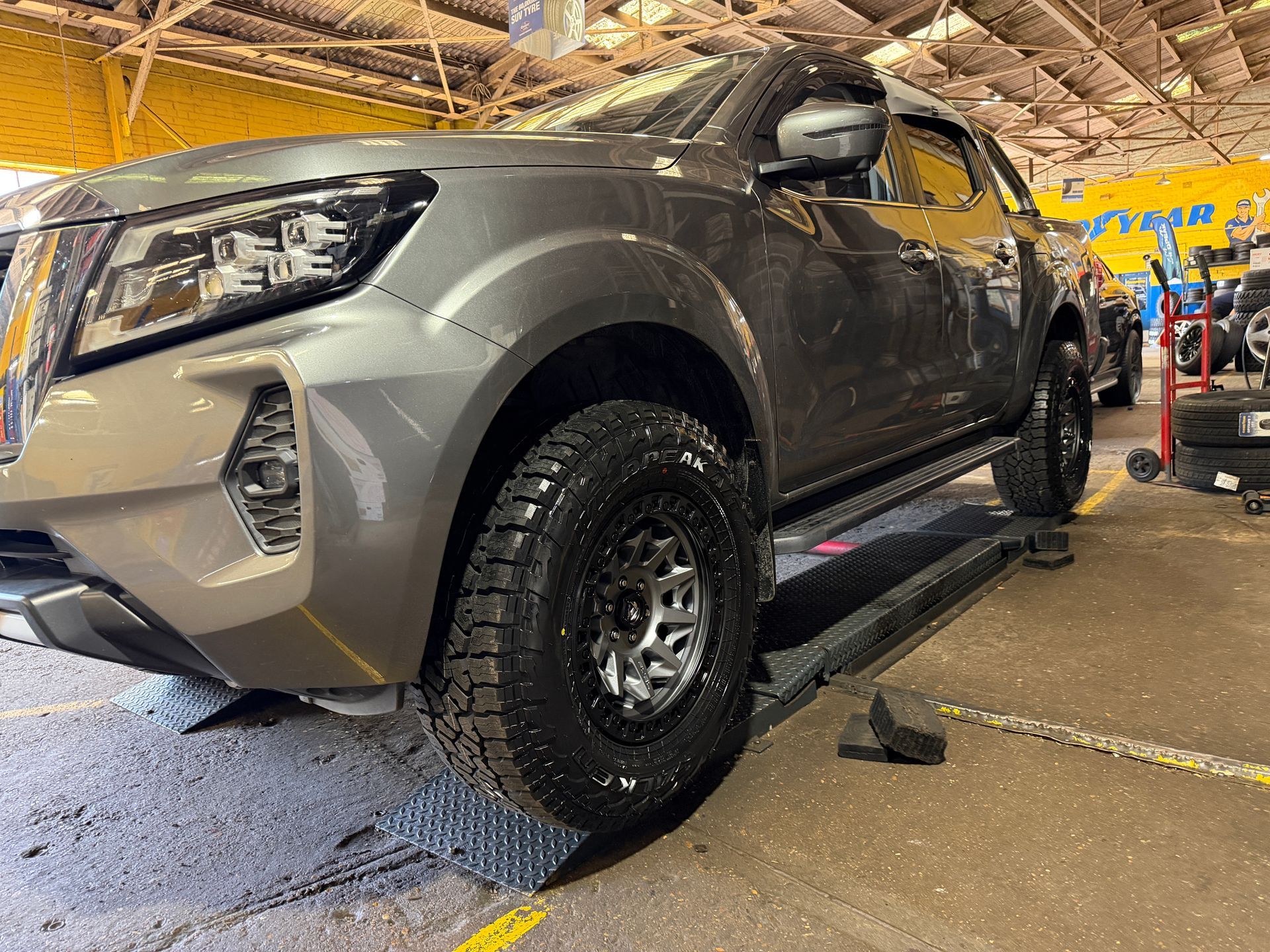
Learn how wheel size affects comfort, handling and fuel efficiency. Discover what to consider when choosing wheels in Maitland for daily driving.
Hands rest on the open hood of a dark car engine during maintenance.
By O’Neills Tyres August 11, 2025
Spot issues early with help from a skilled car mechanic. Learn the key signs your vehicle needs expert attention and act now.
A mechanic works under a car lifted on a hoist in a garage, with spare tires resting on the floor in the foreground.
By O’Neills Tyres August 11, 2025
Trust, quality and full-service care—see why locals choose the same Mechanic Maitland for tyres and repairs. Book your service today.
Tires stacked neatly on metal shelving in a garage with bright sunlight visible in the background.
By O’Neills Tyres August 11, 2025
Explore the best tyre brands in Maitland with our local comparison guide. Choose the right fit for your car—read more to make the smart choice today!
A person in black clothing holds two tires in an industrial warehouse setting with stacks of tires in the background.
By O’Neills Tyres August 1, 2025
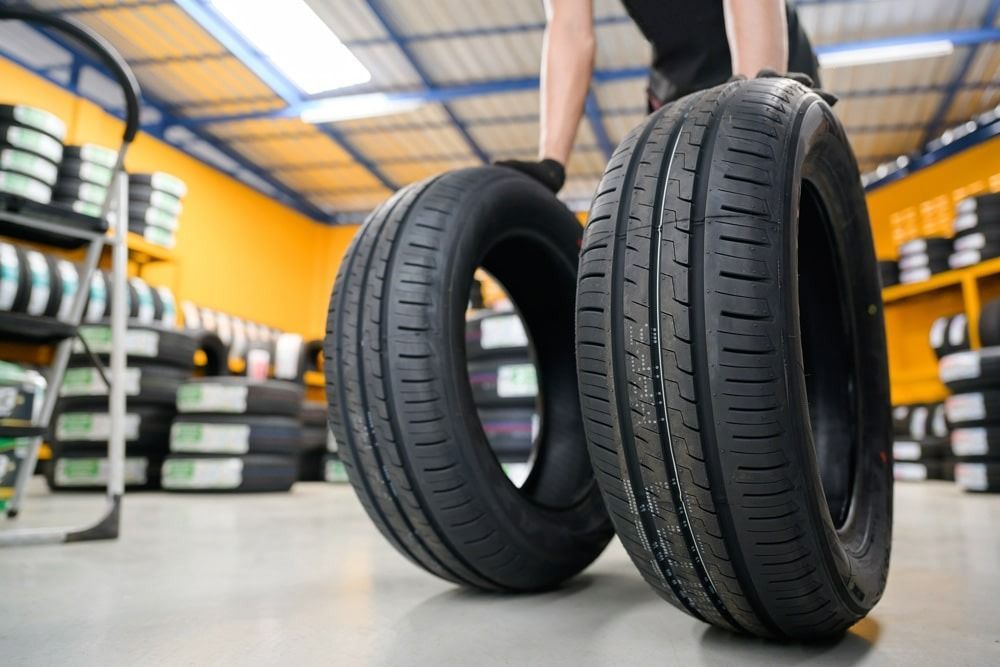
Choosing new tyres? Learn the key differences between all-terrain and highway tyres to find the best fit for your driving needs. Read our tyre guide now!

A close-up view of a car battery installed inside a vehicle's open engine bay.
By O’Neills Tyres July 7, 2025
Avoid unexpected breakdowns by learning the signs your car battery needs replacing. Stay safe on the road with our expert tips. Read the guide today.
Show More